Shopify Plus Migration for Enterprise B2B Foodservice Commerce
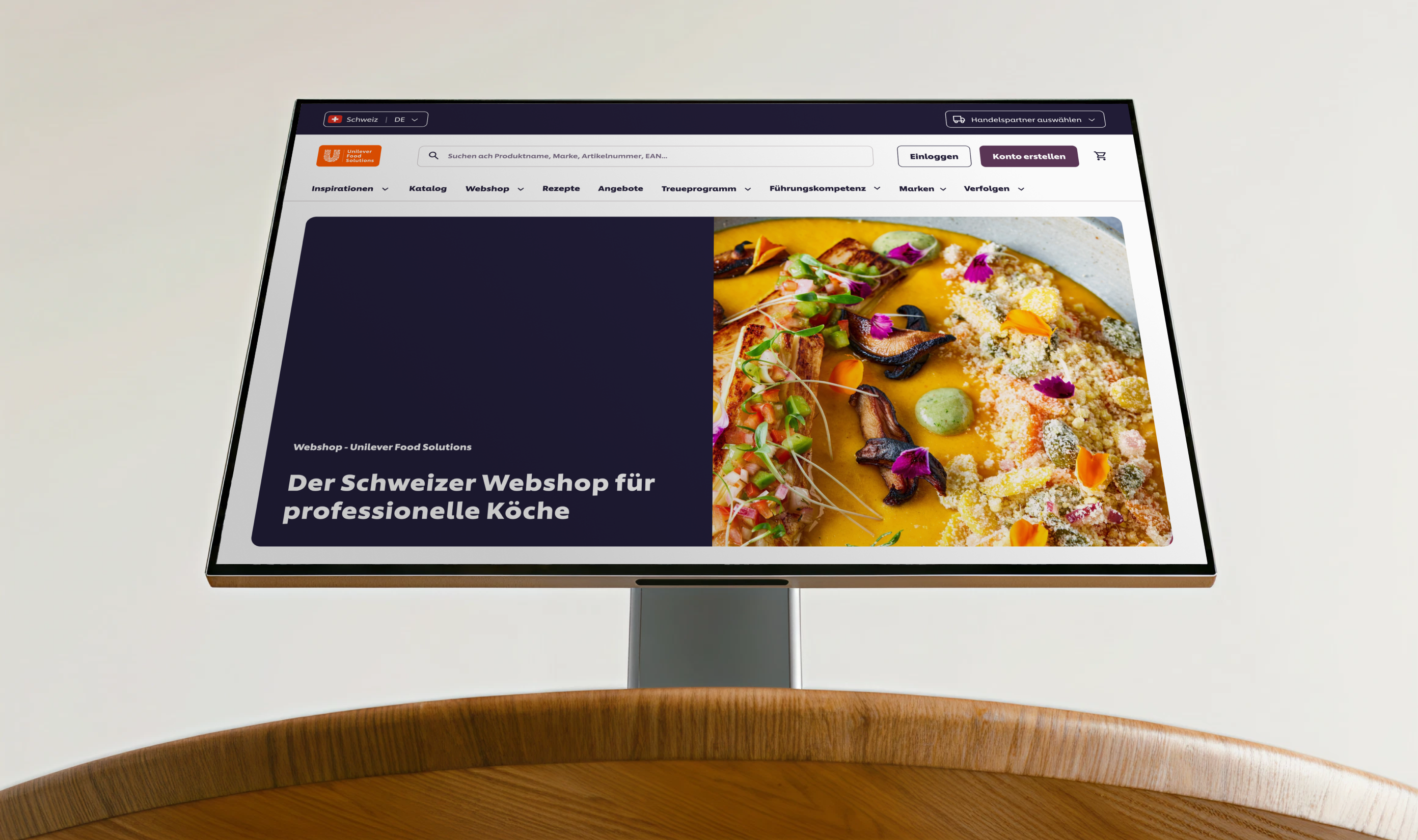
Overview
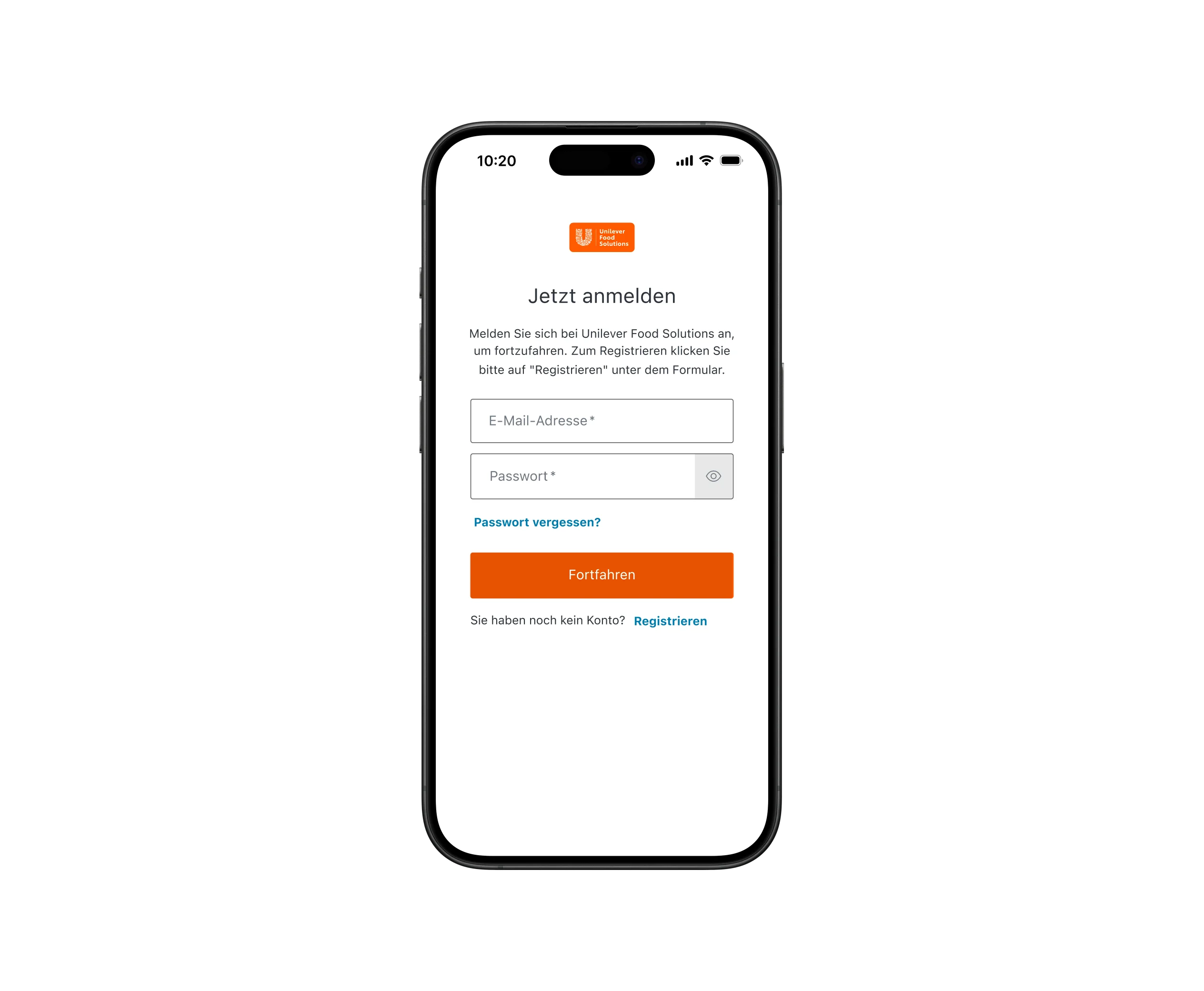
Unilever Food Solutions is the B2B foodservice division of Unilever, serving professional kitchens with brands such as Knorr, Hellmann’s and Carte D’Or. For the Swiss market, UFS needed a commerce platform that could support the realities of enterprise B2B ordering: regional suppliers, customer-specific availability, product data, loyalty, authentication and a buying journey built for busy kitchen professionals.
Especial migrated the UFS B2B shop to Shopify Plus and developed a scalable commerce setup that connects Shopify with existing PIM and ERP systems, external supplier logic, Auth0 authentication and custom B2B features. The result is a faster, more usable and more maintainable platform that turns a complex enterprise commerce model into a simpler ordering experience for chefs, restaurants and professional kitchen teams.

+
2
2
2
3
4
5
6
7
8
9
0
1
2
1
1
2
3
4
5
6
7
8
9
1
1
2
%
Revenue Surge compared to last year
+
1
1
2
3
4
5
6
7
8
9
0
1
1
5
1
2
3
4
5
6
7
8
9
5
1
5
%
Total B2B Orders compared to last year
+
4
1
2
3
4
5
6
7
8
9
4
1
5
%
Average Order Value compared to last year
The Strategic Approach:
How we navigated the complexity
of a global enterprise
Consulting & Concept:
The Commerce Pivot
01
Design:
Functional Premium for
the Professional Kitchen
02
Engineering:
Enterprise-Grade Architecture
03
01
Consulting & Concept:
from content-heavy site to commerce-first platform
We acted as the strategic link between Unilever’s global direction and the practical needs of the local DACH teams. In workshops and concept sessions, we helped move the project from a content-heavy website approach toward a commerce-first B2B platform focused on ordering, reordering, product discovery and self-service.
A key part of the concept phase was deciding what should become central to the new shop. Instead of giving recipe content the main role, the platform was structured around high-value B2B features such as quick ordering, repeat purchasing, product information, loyalty and supplier-specific buying flows. That made the shop more useful for professional customers and more relevant for UFS sales teams.
The project also required careful stakeholder management. Corporate structures, market-specific requirements, leadership changes and operational dependencies all had to be aligned without losing momentum. To keep the implementation close to the people who would use and support the platform, a Super User Group from the sales organization reviewed designs, gave early feedback and tested important flows during development.
02
Design: functional premium
for professional kitchens
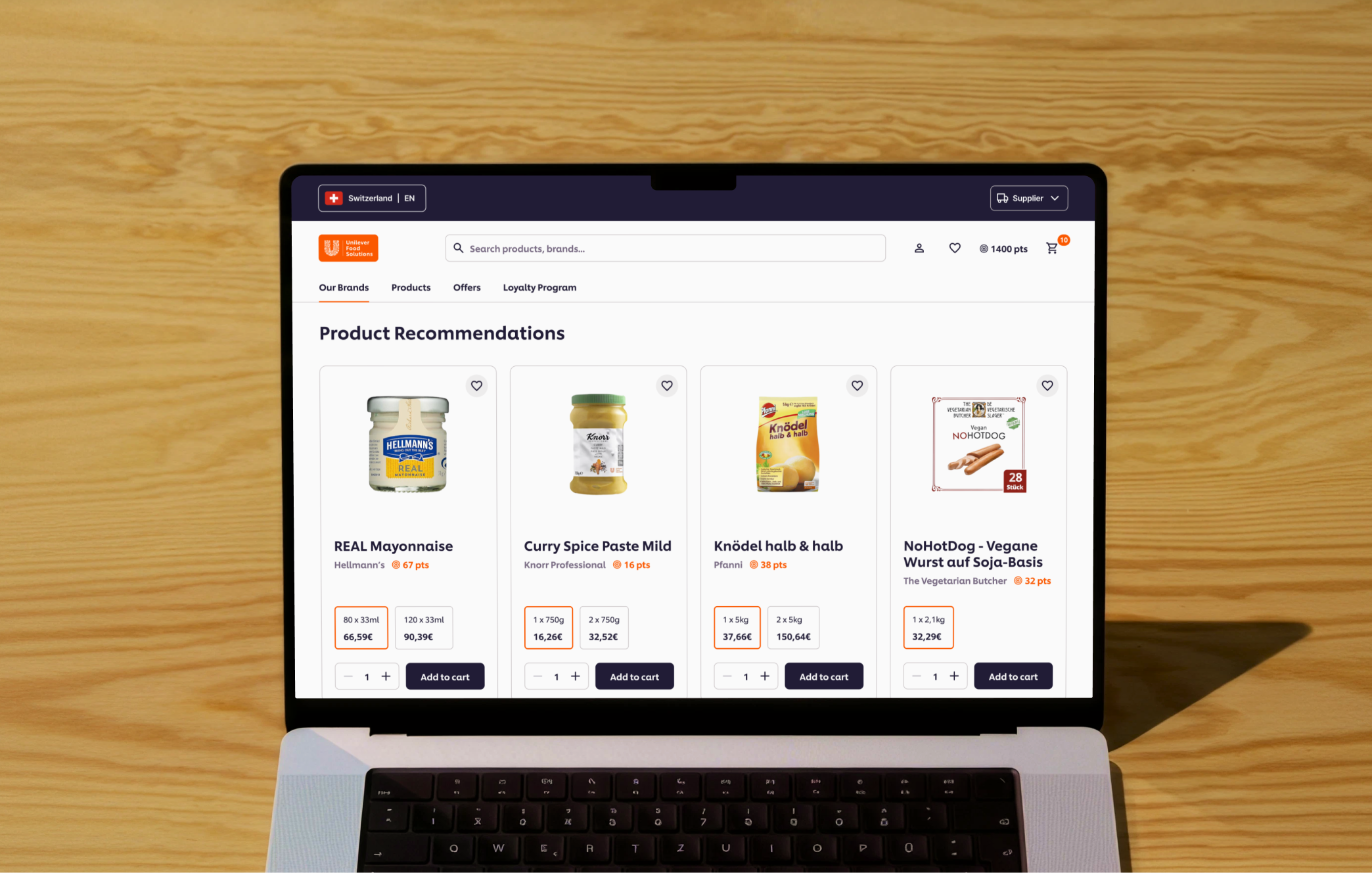
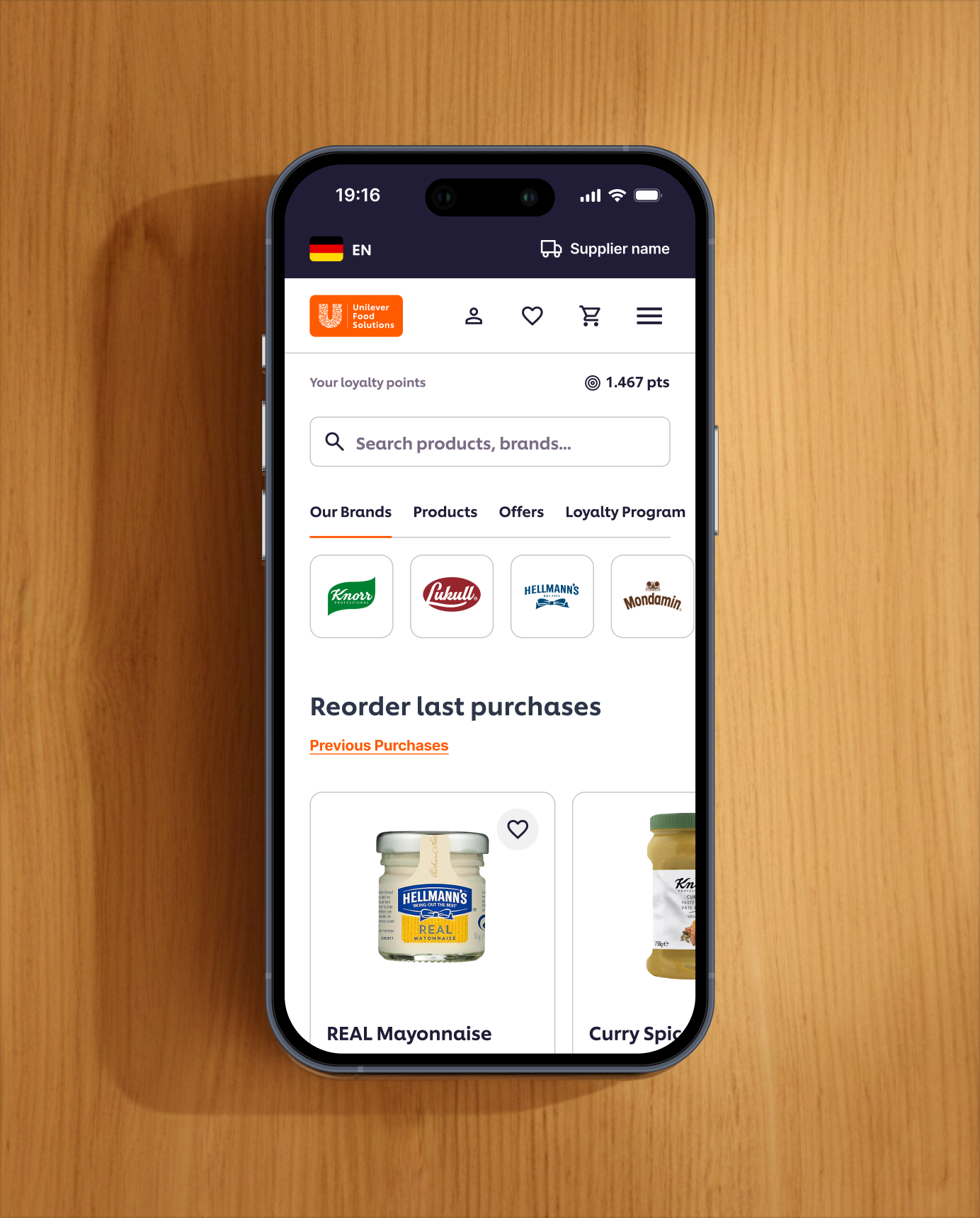
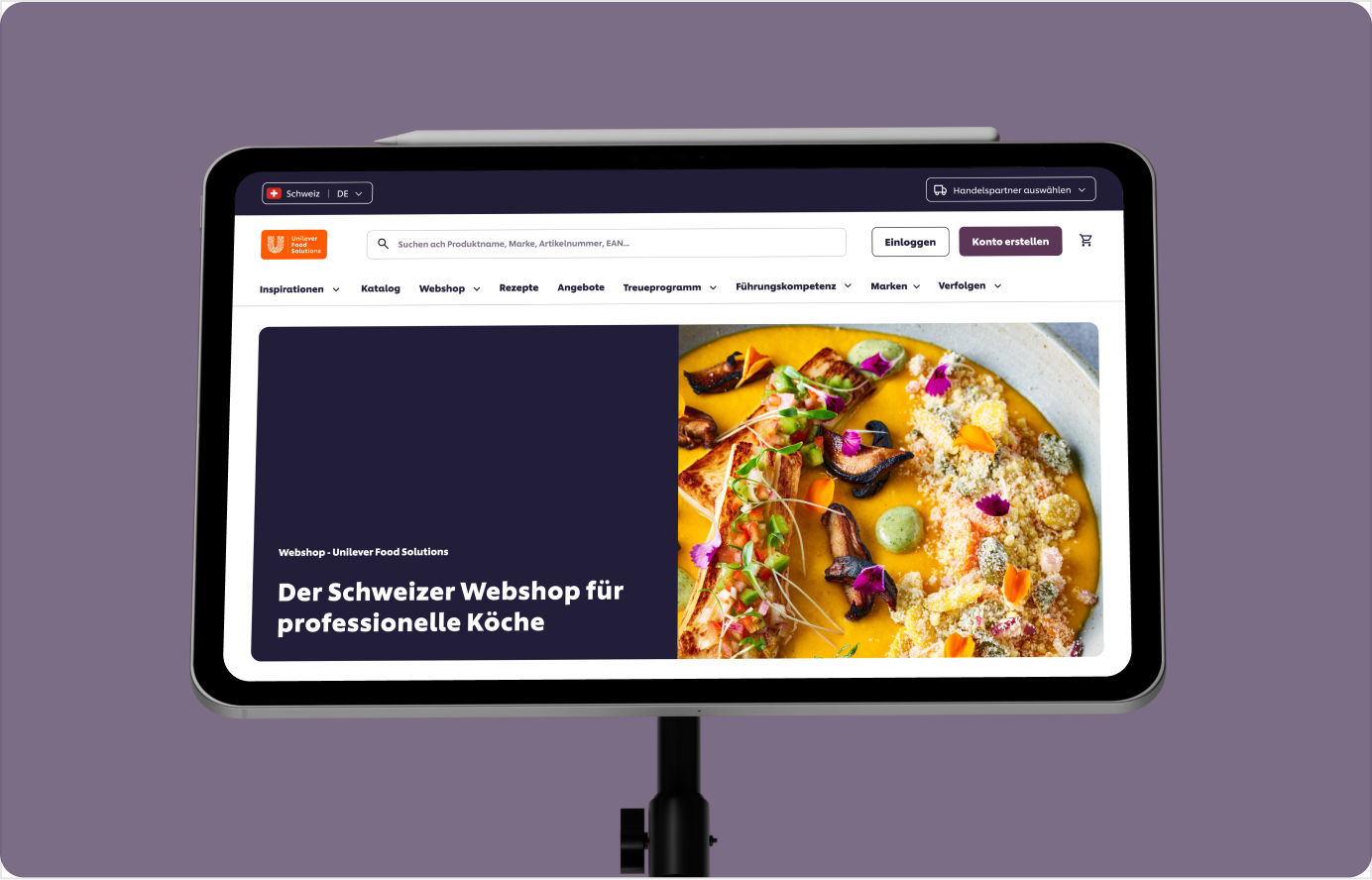
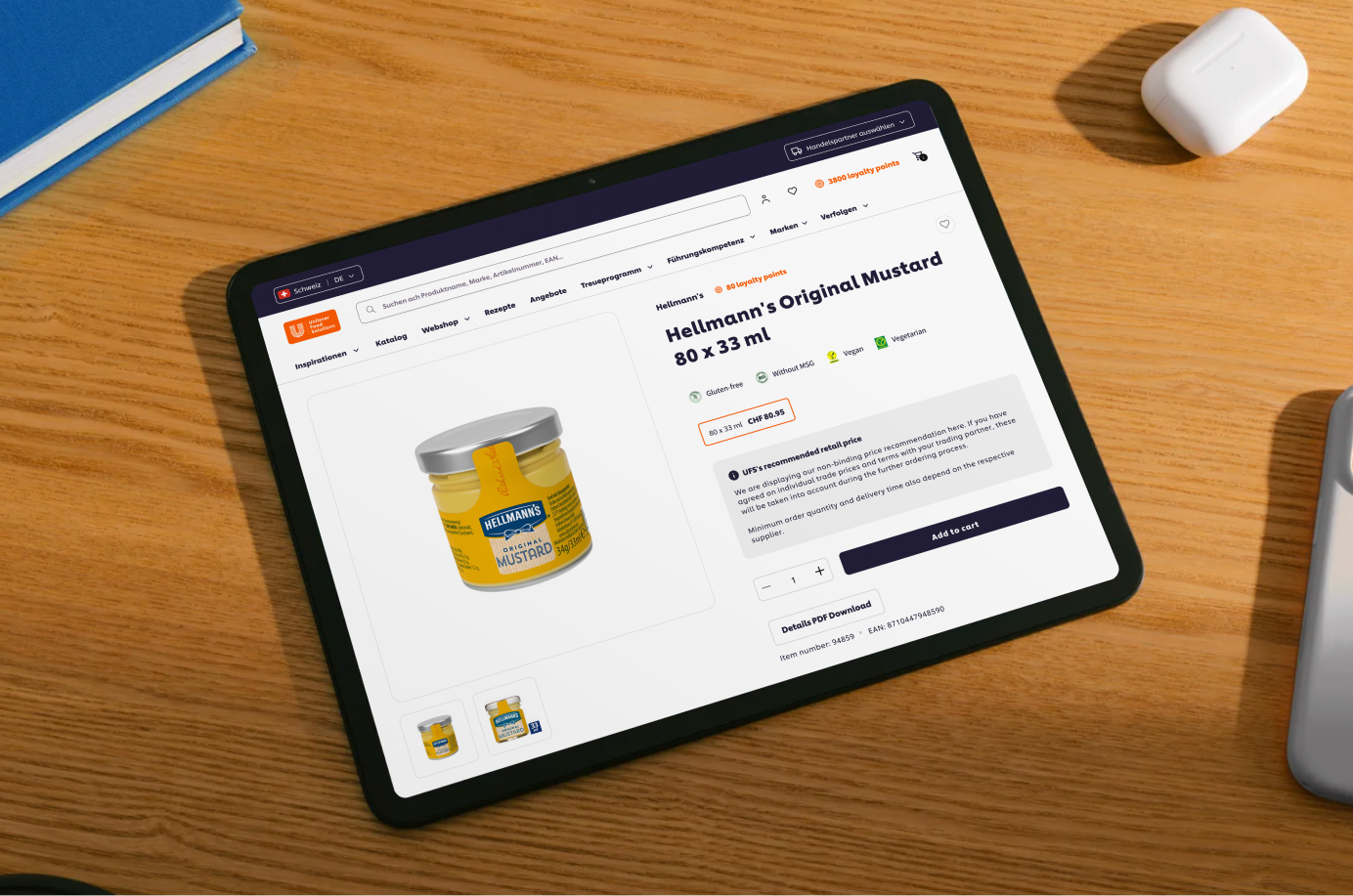
The design work focused on replacing a cluttered, content-heavy experience with a clearer commerce interface. Professional kitchen users do not browse a B2B shop in the same way as consumers browse a lifestyle store. They often need to find a product quickly, check availability, confirm allergens or nutritional information and place an order between operational tasks.
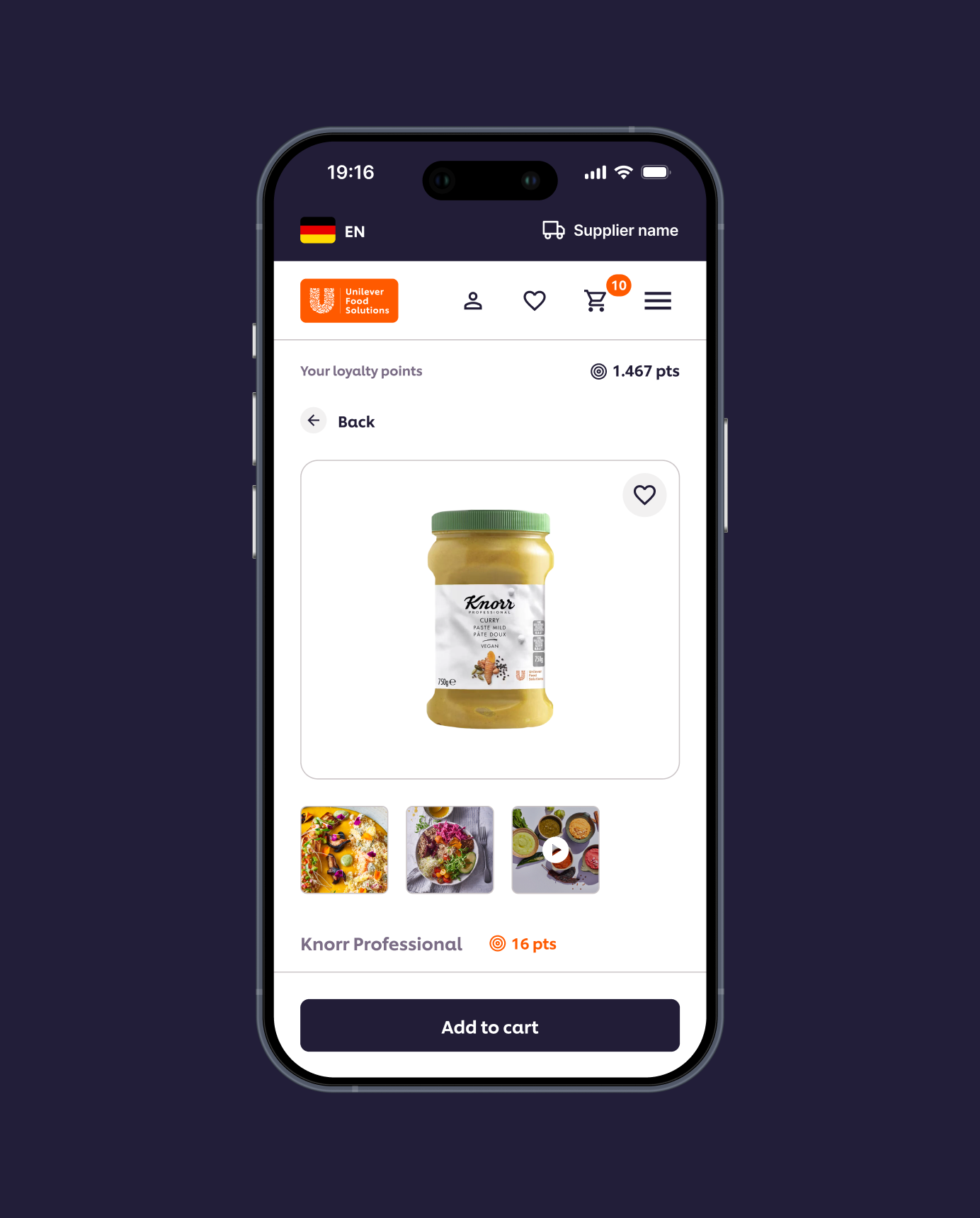
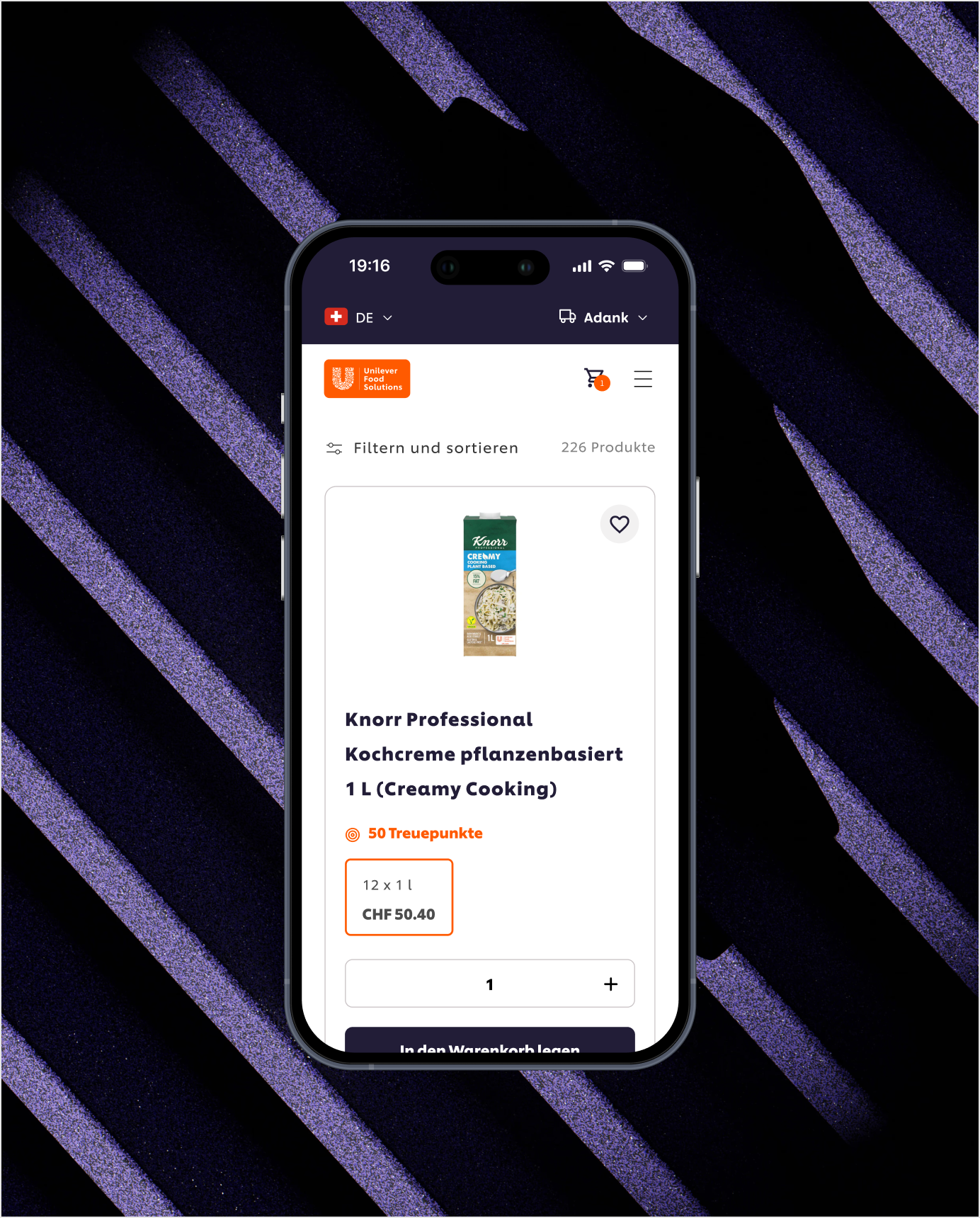
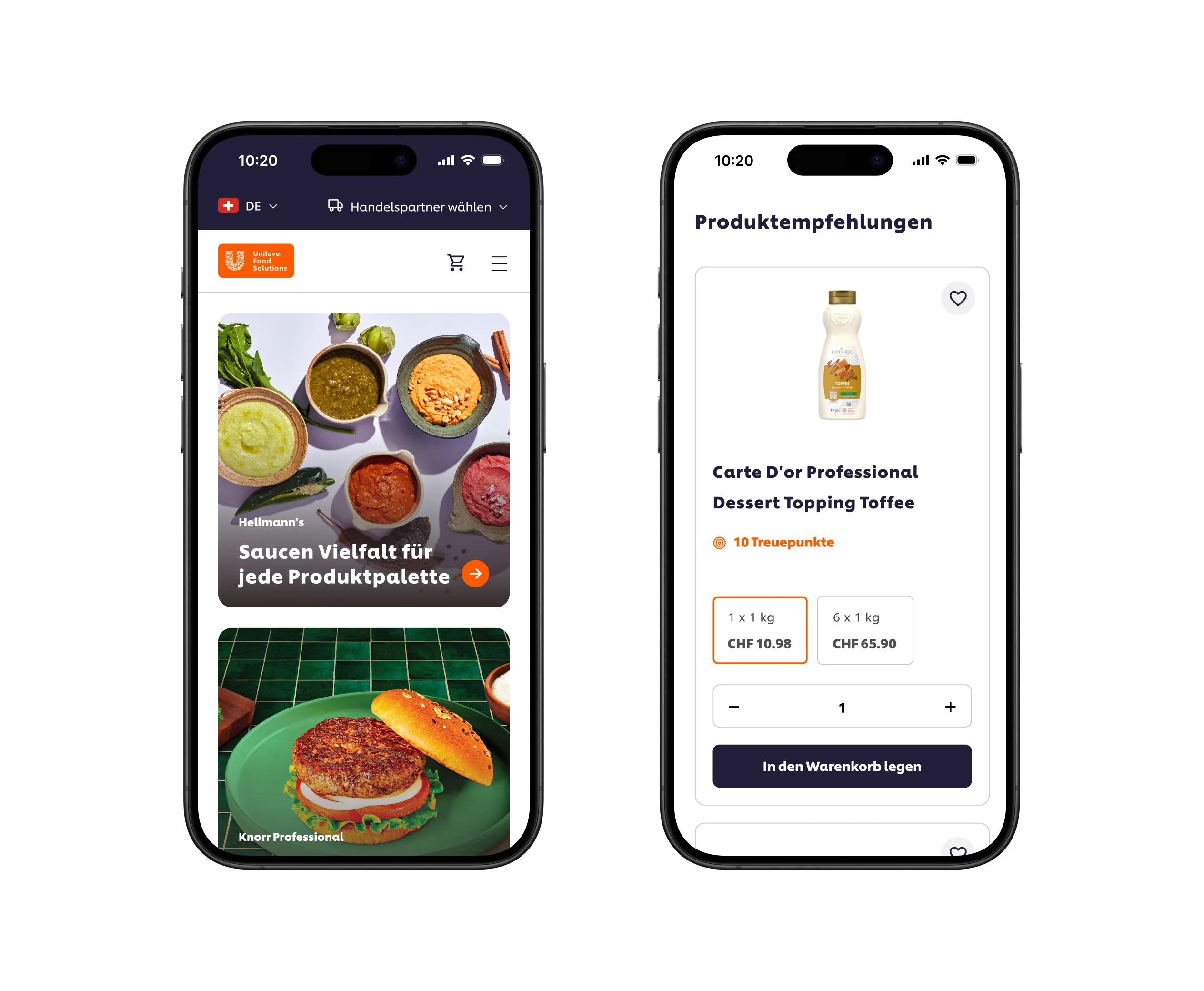
We created a custom Shopify theme with a compact information hierarchy, clearer navigation and product pages that make important data easier to scan. The interface uses high-contrast elements, clear typography and mobile-friendly interaction patterns to support real usage contexts, including fast ingredient lookups and ordering on mobile devices.
The goal was not to make the shop feel decorative. It was to make it feel reliable, premium and practical, so chefs and kitchen professionals can move from product discovery to ordering with fewer interruptions.
03
Engineering:
Enterprise-Grade Architecture
The technical foundation is built on Shopify Plus and Shopify’s native B2B capabilities, extended through custom theme development, Shopify Functions, custom apps and integrations with the wider UFS system landscape. Shopify provides the commerce core, while additional services handle authentication, product data, supplier logic and project-specific business rules.
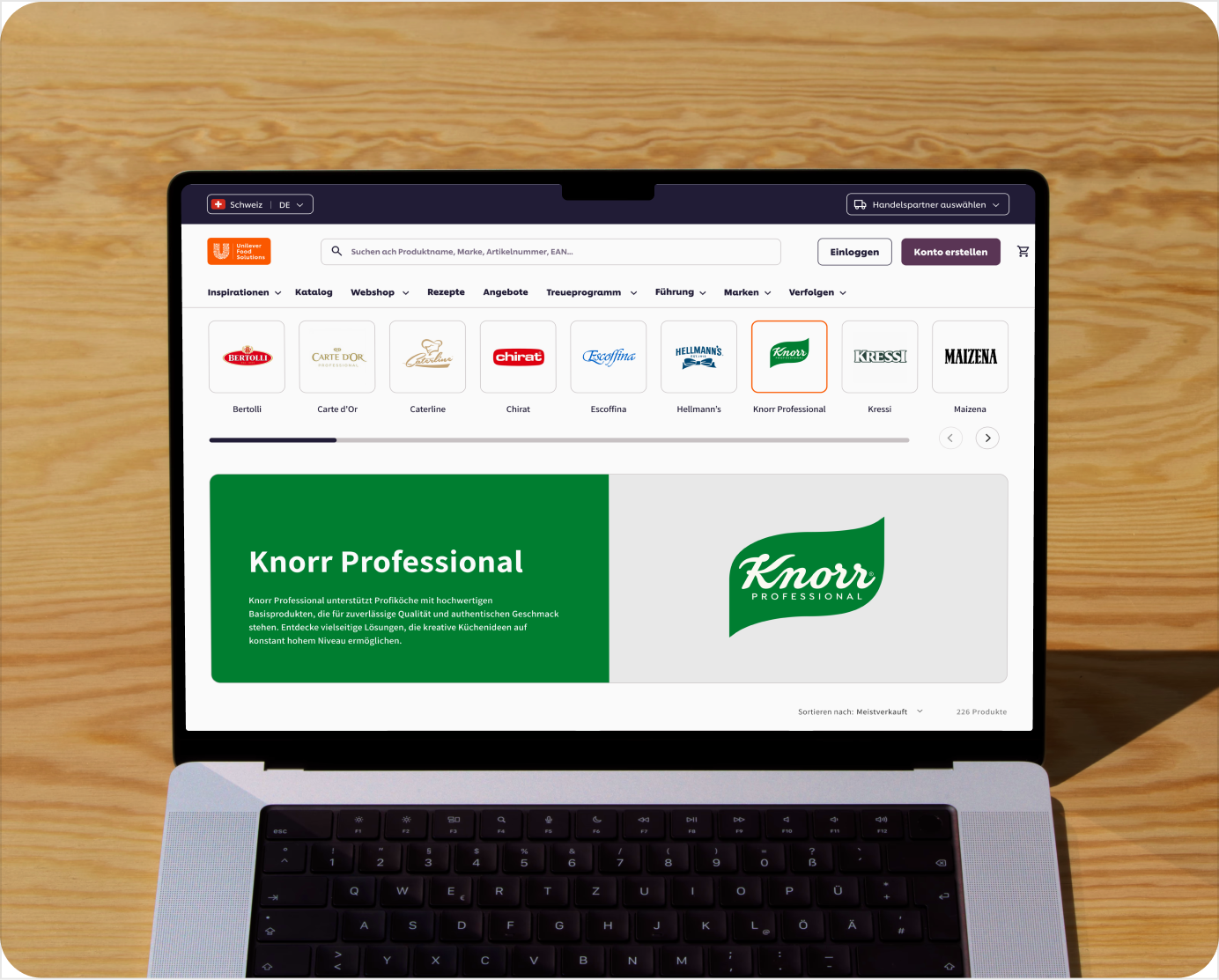
Auth0 provides the identity layer for controlled access to customer-specific content, prices and features. The shop is connected to internal PIM and ERP systems through GraphQL-based integrations, while middleware connects external trading partners and makes their availability and fulfillment information usable inside the buying process.
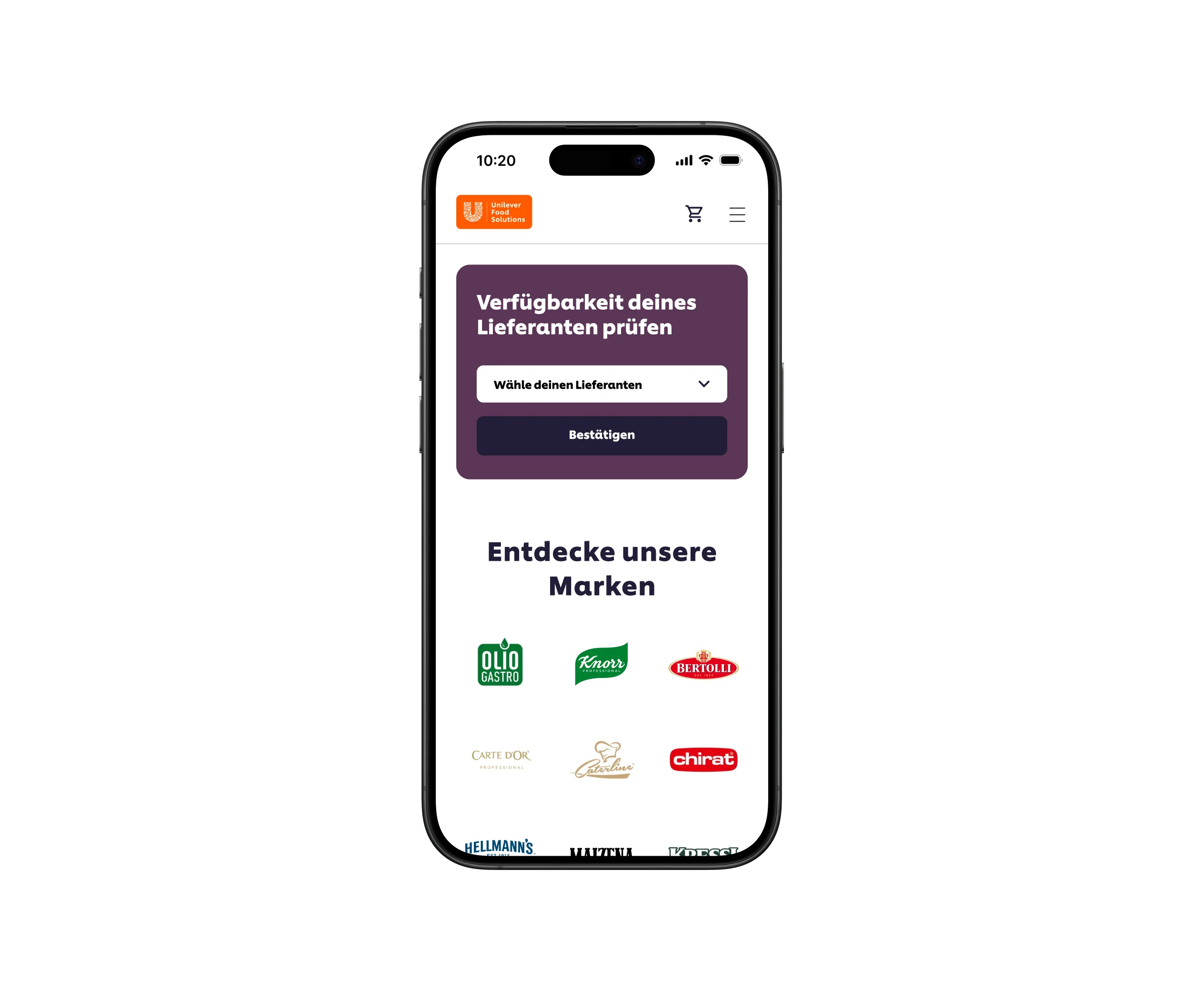
This architecture allows UFS to support a supplier-dependent B2B commerce model without exposing the operational complexity to the customer. Availability, supplier selection, minimum order values, shopping cart logic and partner handoffs are handled behind the scenes, while the storefront remains focused on a simple and reliable ordering experience.
Especial Feature Solutions
The High-Conversion B2B
Product Detail Pages
01
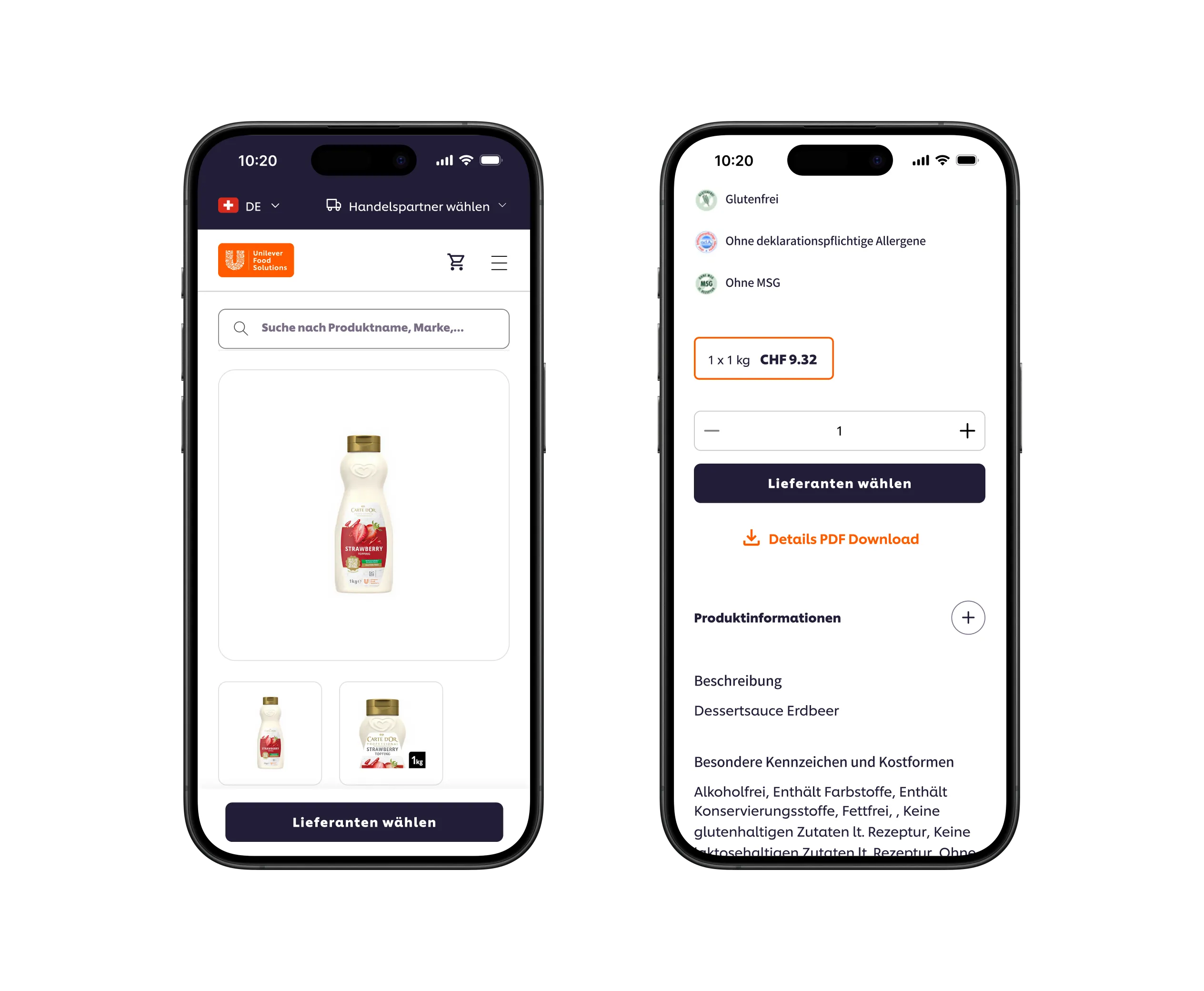
On the Product Detail Pages (PDP), we introduced a Sticky CTA and a persistent mobile footer to ensure that quantity selectors and the "Add to Cart" button remain within thumb-reachat all times.
We also elevated critical B2B data - including allergens, nutritional values, and preparation icons - to primary visual real estate. This ensures that safety-conscious professionals can find the information they need instantly, building trust and reducing the likelihood of order errors during a busy shift.
Beyond B2C: Reimagining Wishlists as Collaborative Procurement Tools
02
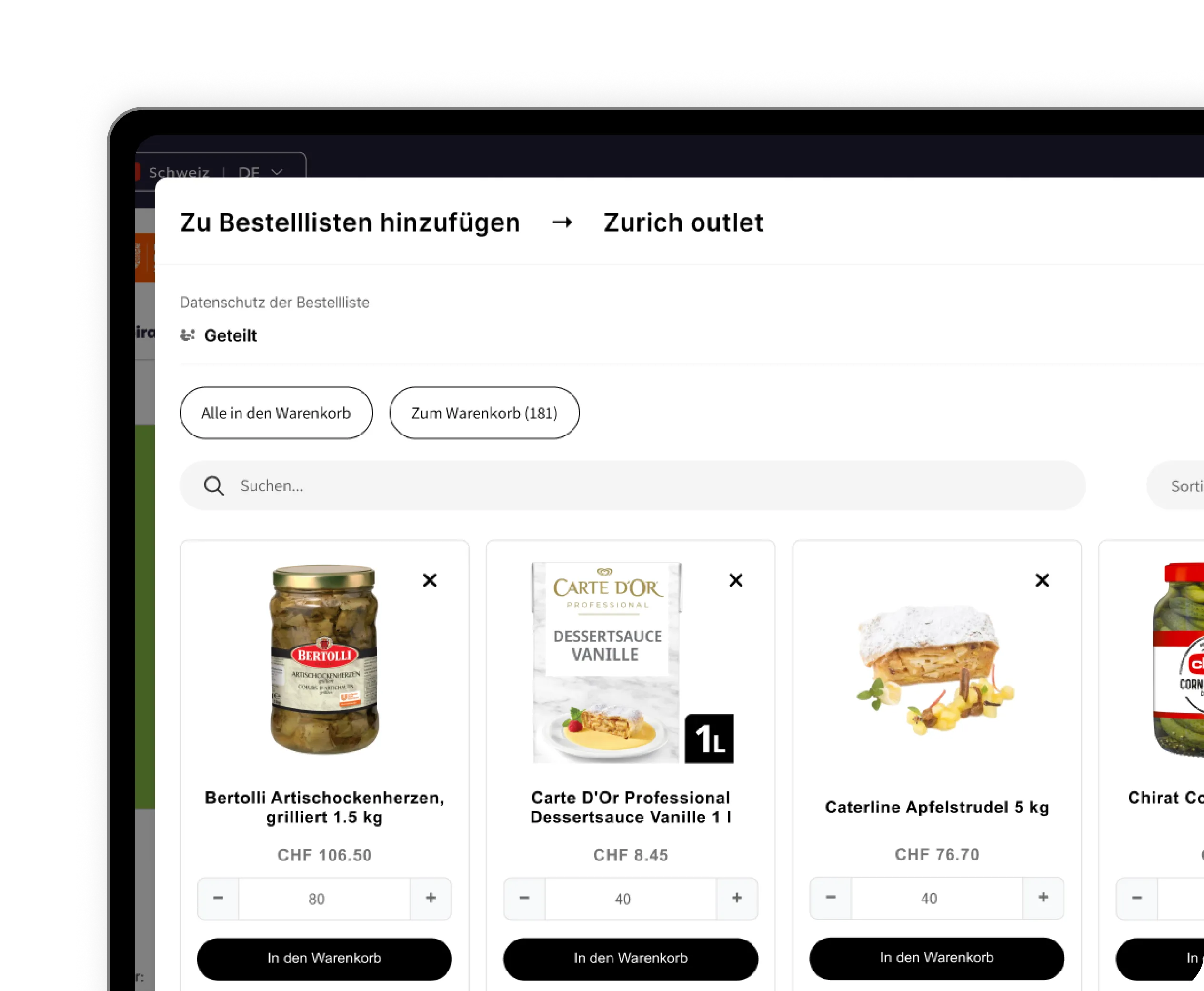
We implemented a sophisticated B2B Wishlist app that allows users to create multiple product collections for quicker reordering.
Crucially, these collections can be shared within a company or team, enabling seamless collaboration and ensuring that standardised ingredient lists are accessible to all relevant team members.
Custom Multi-Supplier Marketplace Checkout
03
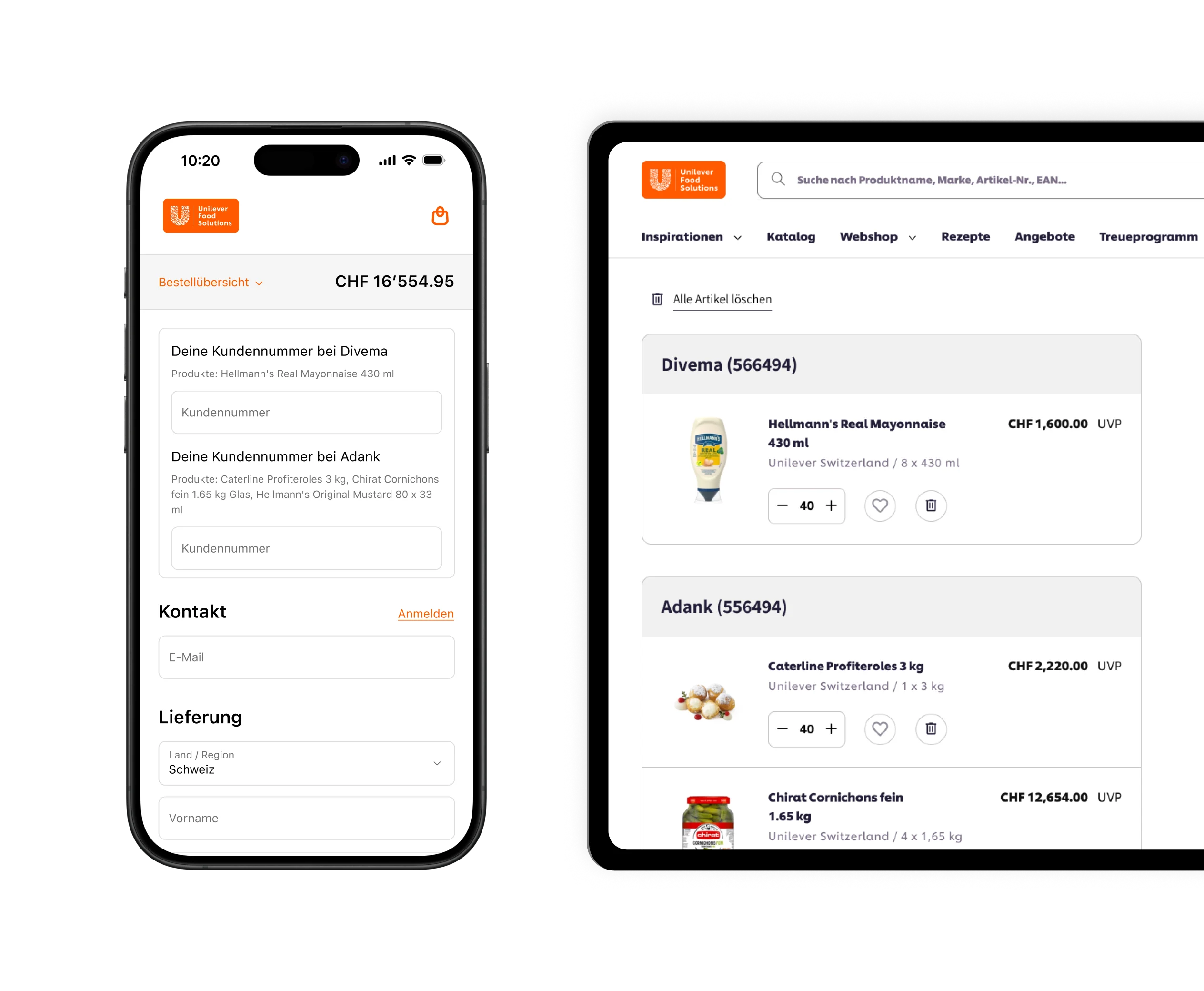
We engineered a flow that supports multi-supplier orders by automatically calculating and enforcing regional minimum order values and shipping conditions for each partner.
This system ensures a seamless data hand-off to fulfillment partners like Transgourmet, effectively masking the logistical complexity of the marketplace from the end-user for a unified, "one-click" checkout experience.
Integrated Loyalty
& Retention
04
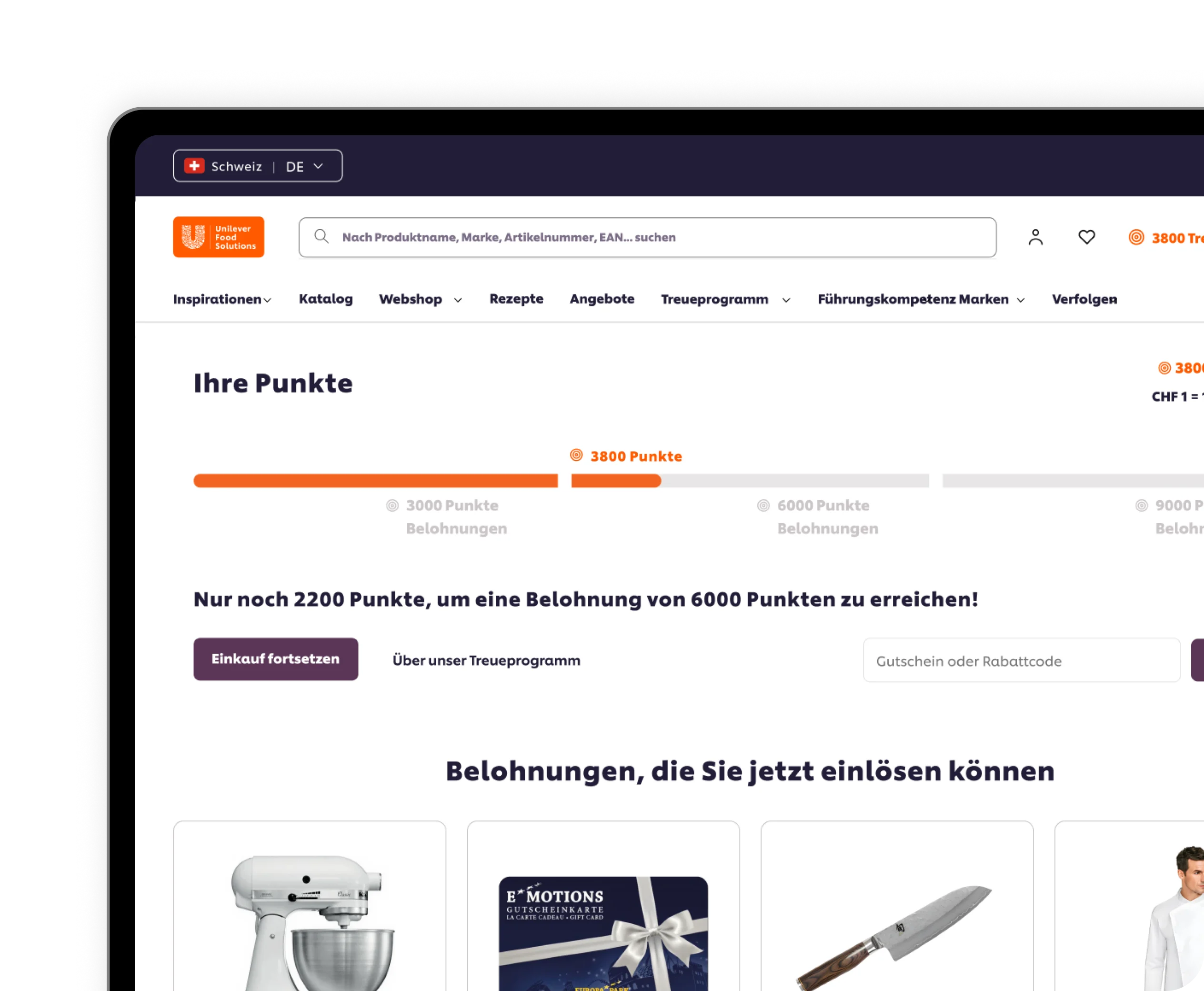
The goal was to move the Loyalty Program from a secondary "perk" to a primary driver of the shopping journey.
By integrating rewards directly into the transactional flow, we aimed to provide a clear incentive for chefs to buy directly through the platform, effectively reducing price comparisons with competitors.
Secure Identity & Performance Optimization
05
The integration of Auth0 provided the secure identity management layer required for a global enterprise.
By balancing these heavy-duty third-party integrations with clean, optimized frontend code, we delivered a platform that is not only robust and secure but significantly faster than its predecessor. The result is a high-performance ecosystem that meets both global security standards and local user expectations for speed.
Real-Time B2B
Logic at Scale
06
Our primary hurdle was the "middleman" logic inherent in the UFS business model. Because prices and availability are dictated by regional trade partners rather than UFS directly, we had to engineer a system that dynamically updates the entire store experience based on a user’s specific location and selected supplier.
Mobile-First for
Professional Kitchens
07
With over 60% of traffic originating from mobile devices, the legacy “Desktop Delay” was a major deterrent for busy chefs. Our goal was to create a grease-finger friendly interface that allows for efficient ingredient lookups and order placements within high-pressure kitchen environments.
Impact & Results
The launch of the new UFS platform transformed a traditional product catalog into a high-performance service ecosystem.
By empowering busy chefs and kitchen professionals with 24/7 self-service and an integrated loyalty experience, the platform provides immediate value to both sales teams and end-users.
This framework now serves as a global benchmark for digital trade, with Phase 2 already in motion - including a rollout across remaining DACH countries and continuous improvements to functionality, performance and usability - we look forward to ensuring UFS remains a leader in the competitive B2B market.
+
2
2
2
3
4
5
6
7
8
9
0
1
2
1
1
2
3
4
5
6
7
8
9
1
1
2
%
Revenue Surge compared to last year
+
1
1
2
3
4
5
6
7
8
9
0
1
1
5
1
2
3
4
5
6
7
8
9
5
1
5
%
Total B2B Orders compared to last year
+
4
1
2
3
4
5
6
7
8
9
4
1
5
%
Average Order Value compared to last year
Client References
"Switching to Shopify Plus was an important step for us. The project was complex – technologically, but above all organizationally. Many stakeholders, corporate structures and evolved requirements had to be brought together. Especial impressed us not only with speed and pragmatism, but above all with the ability to confidently navigate this environment, think along with us and actively drive solutions forward. That’s exactly what I want from a project partner."
"The new shop is a real quantum leap! The shop is easy to use, very fast, looks good and most importantly: it just works. I’m especially pleased with how you involved and collaborated with the local team. You took the concerns seriously and really understood the needs. This shop is now a great added value for us compared to our competitors."


We combine Shopify Plus expertise, product thinking, design and custom development to deliver commerce projects that are scalable, reliable and easier to operate.

BayWa
Senior guidance for a safer Shopify launch
NEW
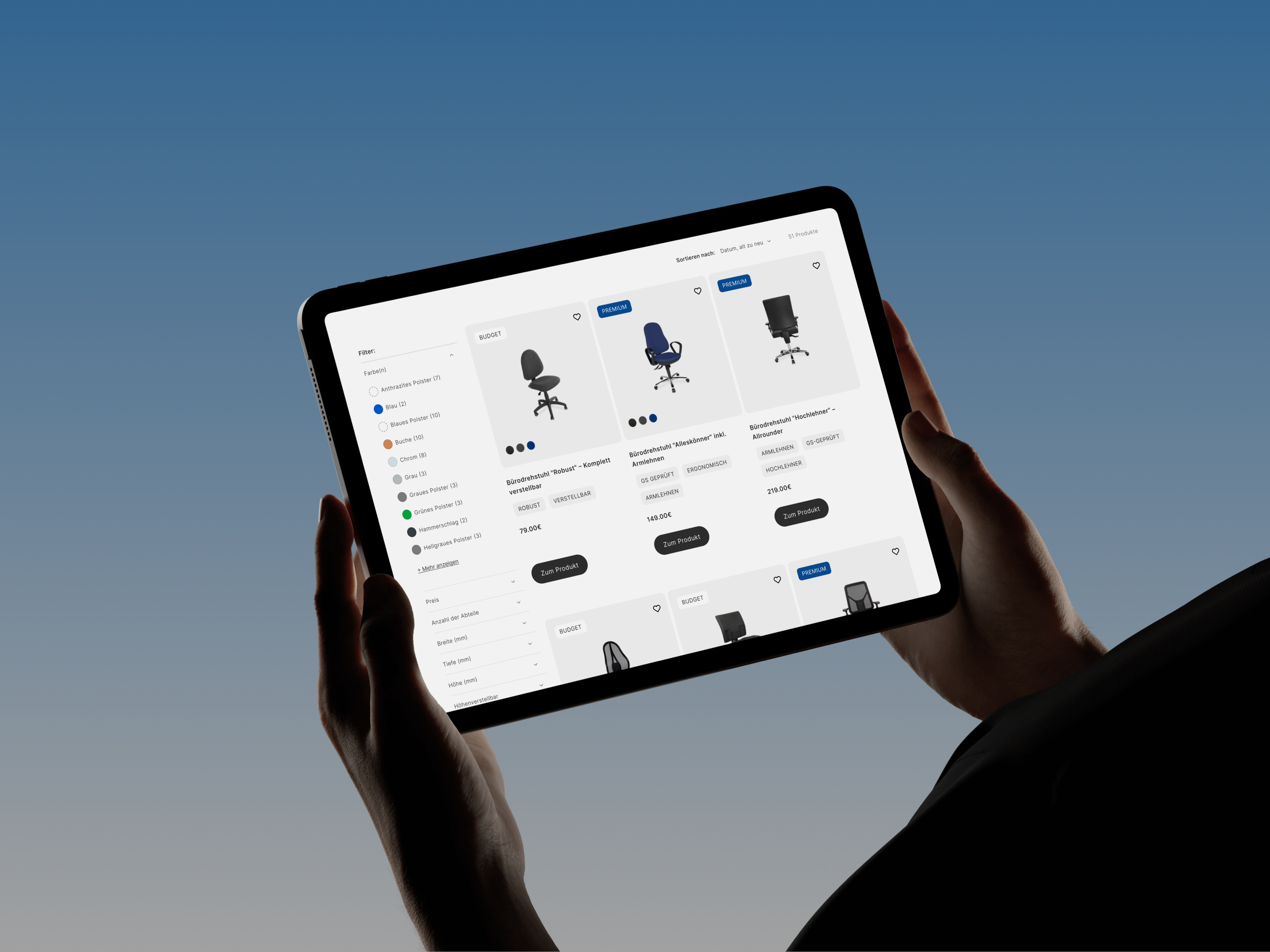
Betriebseinrichtung-Sofort
B2B Shopify Plus migration for a furniture commerce platform

Vetevo GmbH
Theme-Überarbeitung - Shopify Plus
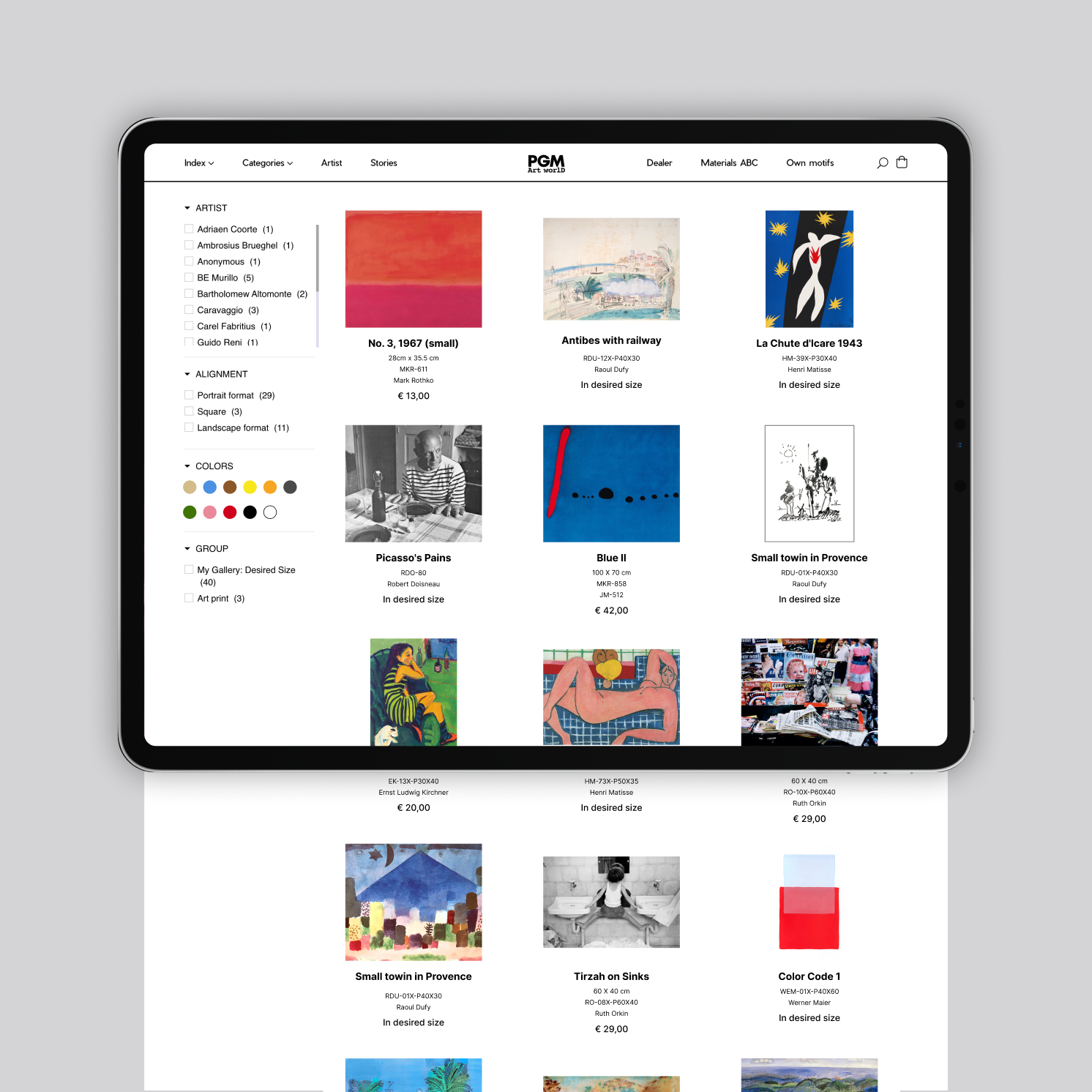
PGM ArtWorlD
Headless Shopify and custom app development
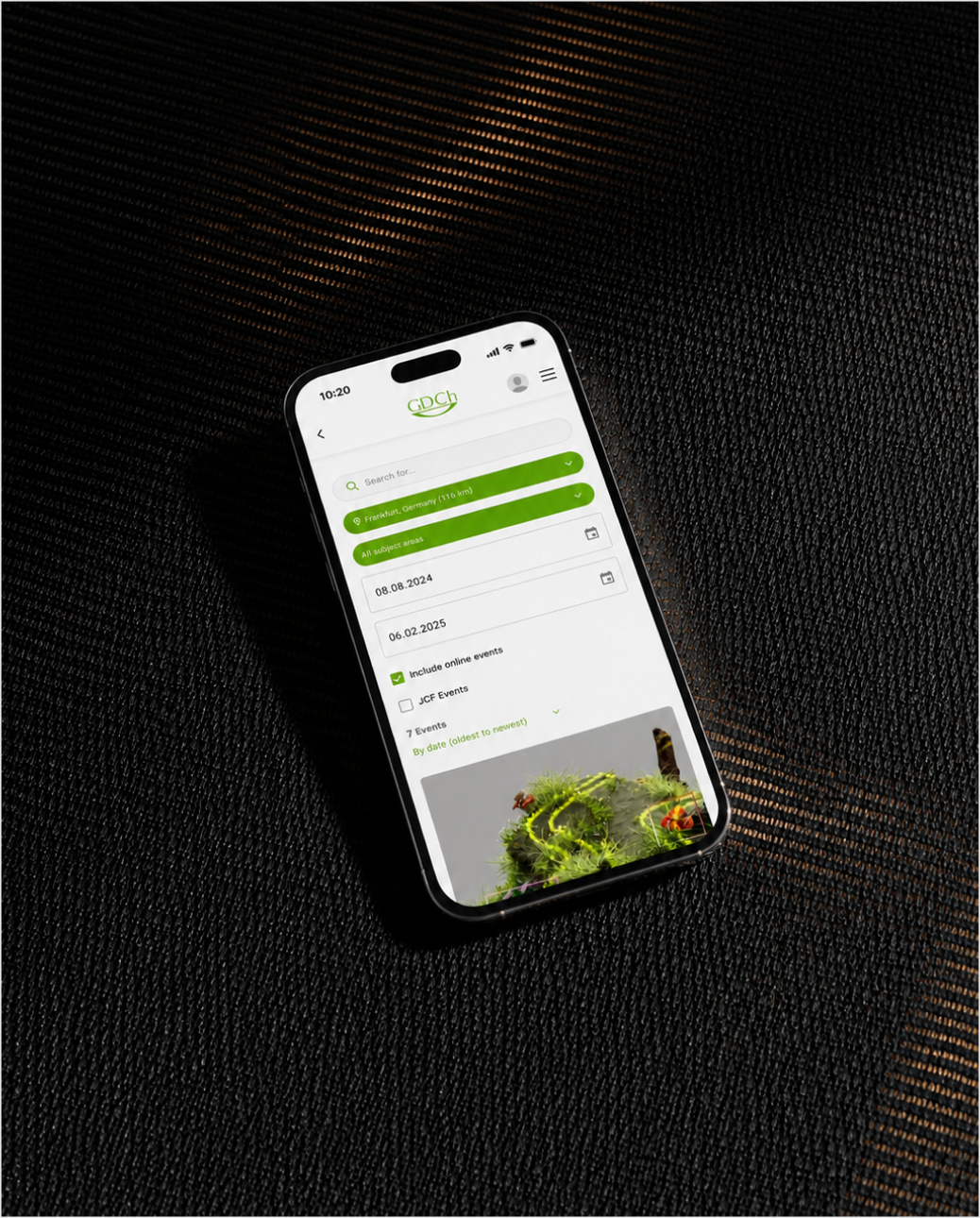
German Chemical Society e.V.
Hybrid app platform for 30,000+ chemists
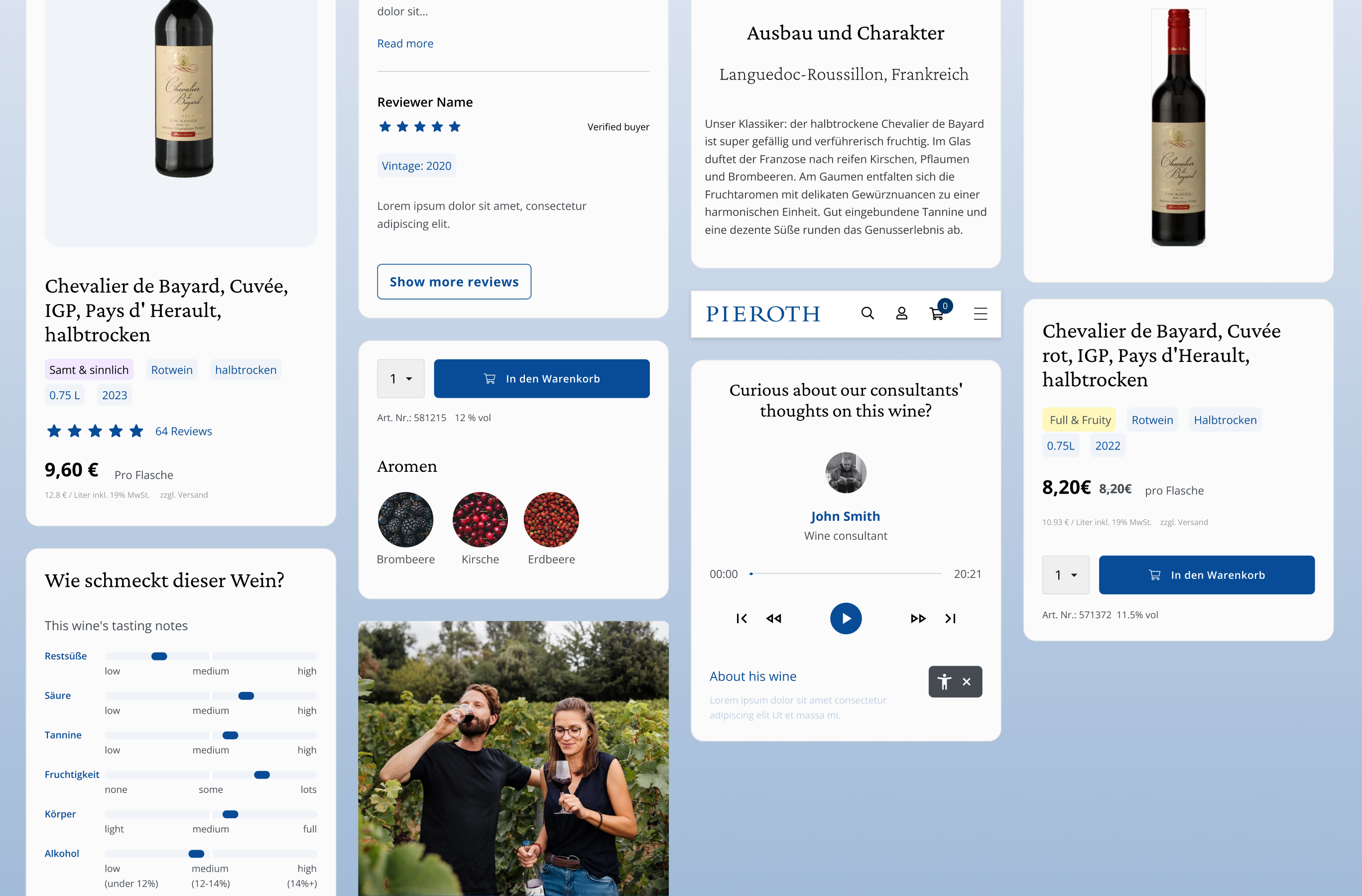
Pieroth Wein AG
Multi-country Shopify platform for wine commerce

Subscribe to our newsletter


